
Project Outline
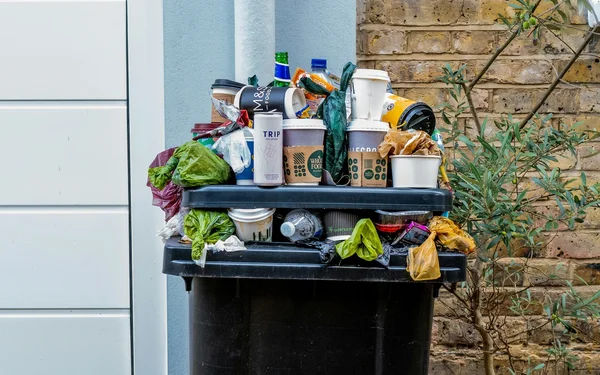
ANU aims to divert 50% of waste from landfill by 2030. The Be Bin Smart program has rolled out standardised bins and signage, but a persistent problem remains: contamination rates drop after new infrastructure is installed, then climb back up within months. The challenge is structural—ANU's student population completely turns over annually, arriving with different habits and existing knowledge. By the time new cohorts settle, incorrect patterns are already entrenched. Your research will identify what drives sustained contamination and design approaches that account for this annual reset.
Learning Statement
You'll develop skills in observational research, institutional systems thinking, and behaviour change theory. You'll learn to map the social, environmental, and structural factors that shape outcomes at scale, and to design interventions that work within real-world constraints.
Skills Needed:
- Interest in environmental sustainability, waste systems, or behaviour change
- Comfort with fieldwork—observing bin use, interviewing staff and students on campus
- Ability to think across multiple contributing factors and see systems holistically
- No prior waste management knowledge needed
Skills Developed:
- Field observation and intercept research methods
- Systems mapping and stakeholder analysis
- Behaviour change theory and institutional thinking
- Theory of change development
Preparation
Deliverables
A research report including:
- Analysis of why contamination persists in institutions with high population turnover
- Findings from field observation and conversations with campus users
- Stakeholder map of the campus waste system
- Theory of change for sustained behaviour improvement
- Recommendations for future intervention approaches
Additional Advice
Get Involved
If you are interested in working on a Partner project, please reach out to McCusker.Education@anu.edu.au and let us know:
- who you are
- why you're interested in this project
- what you might be able to bring to this project
- when you would be able to work on the project with the partner
- a recent CV that we can pass onto the partner
Please note that although we try out best to connect the right students with the right projects, expressing your interest does not guarantee working with the partner.
Find out more

Poster preview
Planetary Health
Express Your Interest
Reducing Waste Contamination Through Understanding Campus Behaviour
Figure out why campus waste programs lose momentum and design interventions that stick in a constantly changing community. ANU aims to divert 50% of waste from landfill by 2030. The...
Partner: ANU Green
Project type: Community Project
Deliverables:
- Analysis of why contamination persists in institutions with high population turnover
- Findings from field observation and conversations with campus users
- Stakeholder map of the campus waste system
This is a project in the SoCIETIE Initiative: a 6-unit transdisciplinary course open to all students. You don’t need a matching major to join the team. Register your interest online.

 McCusker
Institute
Connect. Engage. Inspire.
Click any line on the tile to shorten or reword it. Keep it to what the page already says.
I'm attending
Reducing Waste Contamination Through Understanding Campus Behaviour
Community Project · ANU Green